
Op-Ed: You Can’t Be Pro-Housing and Ignore Landlords
San Diego’s leaders are talking a lot about being “pro-housing.” We hear it in speeches, policy announcements, and campaign platforms.
The mayor’s recent State of the City address made commitments to offer up more city land for housing, advance community plan updates, and launch a new Neighborhood Homes policy. We applaud his focused attention to the housing crisis.
But if we’re serious about housing, we need to be honest about something that’s often left unsaid: housing doesn’t exist without landlords. After all, every apartment, duplex, fourplex, or backyard unit requires someone to finance, insure, maintain, and manage it over time.
Too often, landlords are portrayed as focused only on money. That caricature doesn’t match reality, especially in this region, where most rental housing is provided by small and mid-size owners. These are people who know their tenants by name, who change the light bulbs, who wield paint rollers and climb under sinks to fix leaky pipes.
Many of them have bent over backwards to keep people housed during tough times.
One woman who owns a handful of small homes in Chula Vista manages them herself. She finds her tenants through referrals, and she looks for people who have been through a rough patch, such as domestic violence, but who are committed to improving their situation.
Sometimes a tenant falls behind on rent, and when that happens, she offers a payment plan. She’s willing to take the risk because it gives her so much satisfaction to offer a stable home to someone who needs it.
Landlords like this are backbones of the community. Unfortunately, the Chula Vista landlord said she feels overwhelmed by all the new paperwork that the city requires for rental homes. She has thought about selling her properties.
We see many landlords who go above and beyond because they care. Landlords who set up payment plans when a tenant loses a job. Owners who delay rent increases for years to keep long-term tenants stable.
They are our community’s housing providers.
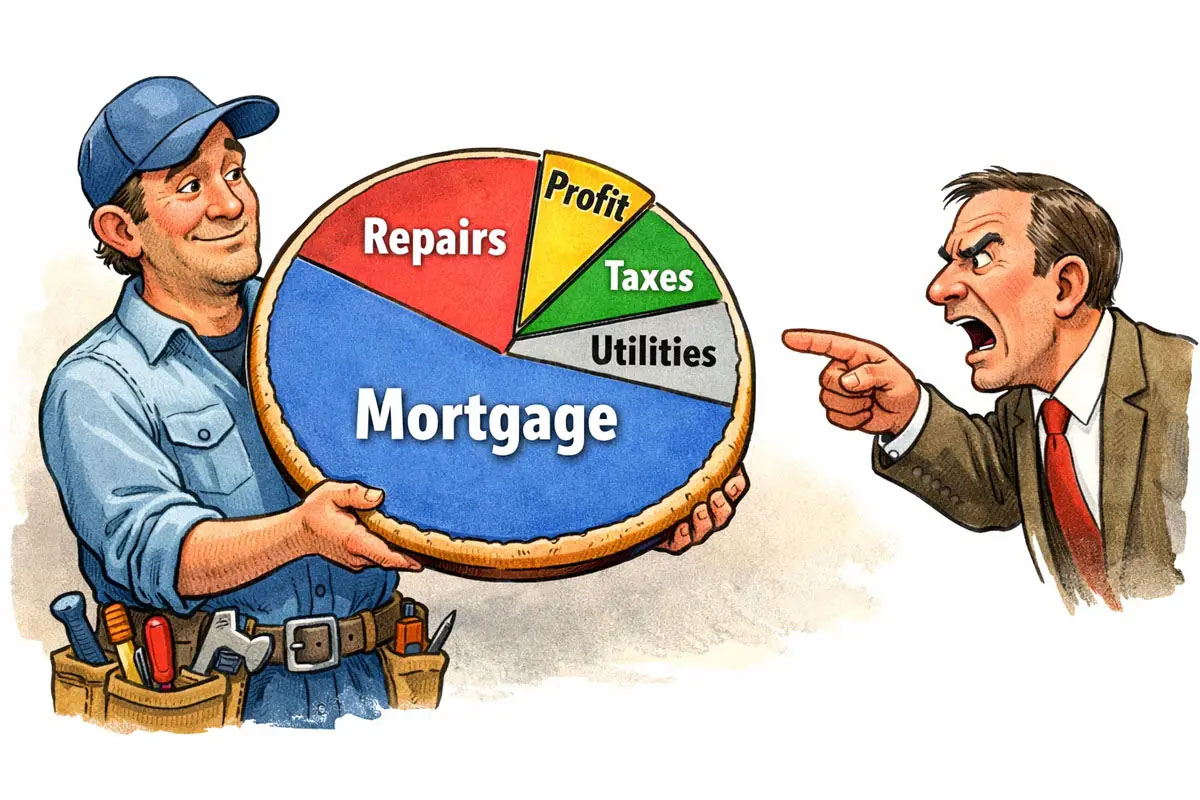
New national research from the National Apartment Association shows that, on average, 89 cents of every rent dollar goes right back into operating the property and supporting the local community. Nearly half of that goes to the mortgage. Another large share covers maintenance, insurance and utilities. About 10 cents of every dollar of rent goes directly to property taxes, helping fund schools, fire protection, and other essential public services.
Despite the framing of landlords as profiteers, what’s left is slim. Rental housing is a narrow-margin business, not a gold mine, the NAA study confirms. And when costs rise – such as insurance, utilities, labor, taxes – landlords often absorb the increase.
If San Diego wants to be truly pro-housing, it needs to stop treating landlords as the problem and start recognizing them as partners.
Being pro-housing means rejecting policies like the duplicative “rental fees” measure that would pile on red tape and compliance costs for landlords. And it means expanding the rental assistance that supports tenants and landlords alike – a critical issue as federal housing subsidies like Section 8 face major cuts.
It’s great to support new home construction, but being pro-housing means supporting the people who keep housing available today. Landlords are not the enemy in this crisis; they are ready to be part of the solution.
Alan Pentico is the executive director of the Southern California Rental Housing Association.